





Mental Health and Wellbeing at LDE UTC
In 2023, about 1 in 5 children and young people aged 8 to 25 years had a probable mental disorder -
Tranforming Children and Young People’s Mental Health Implementation Programme - May 2025
Mental Health of Children and Young People in England, 2023 - wave 4 follow up to the 2017 survey
Some key findings included:
- This was 20.3% of 8 to 16 year olds, 23.3% of 17 to 19 year olds and 21.7% of 20 to 25 year olds.
- After a rise in prevalence between 2017 and 2020, rates of probable mental disorder remained stable in all age groups between 2022 and 2023.
- Among 8 to 16 year olds, rates of probable mental disorder were similar for boys and girls, while for 17 to 25 year olds, rates were twice as high for young women than young men.
- More than 1 in 4 children aged 8 to 16 years (26.8%) with a probable mental disorder had a parent who could not afford for their child to take part in activities outside school or college, compared with 1 in 10 (10.3%) of those unlikely to have a mental disorder.
- 17 to 25 year olds with a probable mental disorder were 3 times more likely to not be able to afford to take part in activities such as sports, days out, or socialising with friends, compared with those unlikely to have a mental disorder (26.1% compared with 8.3%).
- Children aged 11 to 16 years with a probable mental disorder were 5 times more likely than those unlikely to have a mental disorder to have been bullied in person (36.9% compared with 7.6%).
- They were also more likely to have been bullied online (10.8% compared with 2.6%).
- Just over half (54.8%) of young people aged 17 to 25 years reported being worried about the impact of climate change.
- Young women aged 17 to 23 years were less likely to be optimistic than young men about having enough money (38.5% compared with 60.5%) and about their health (including mental health and wellbeing) (51.4% compared with 67.8%).
- In 2023, eating disorders were identified in 12.5% of 17 to 19 year olds, with rates 4 times higher in young women (20.8%) than young men (5.1%).
- 2.6% of 11 to 16 year olds were identified with eating disorders, with rates 4 times higher in girls (4.3%) than boys (1.0%) and 5.9% of 20 to 25 year olds, were identified with eating disorders with no difference in rates evident between women and men.
It also brought to light public concern about escalating children/young people’s mental health issues and limited resources both within schools / colleges and within the community. This has not abated with the pandemic and if anything a greater awareness and concern of escalating mental health issues are even more at the forefront of thinking in education.
As a college, the LDE UTC takes the wellbeing of both its learners and staff very seriously.
Internal Support
Counselling
We have a college counsellor, Nirupa Kasirajah, for learners who have worries or feelings that they find hard to cope with or just want to understand better. Referrals to the counsellor are made via the Pastoral Team but we do have weekly drop-in sessions also available.
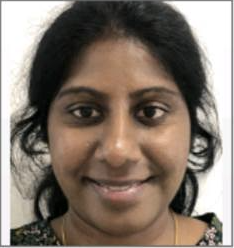
Nirupa Kasirajah
Chaplaincy
Our Chaplaincy Team, Edward Badu, Mariam Kizza and Sister Theresa Bora, are based in The Haven, they are available for both learners and staff and offer a safe space for learners and staff to be listened to.


Edward Badu Mariam Kizza
EMHP
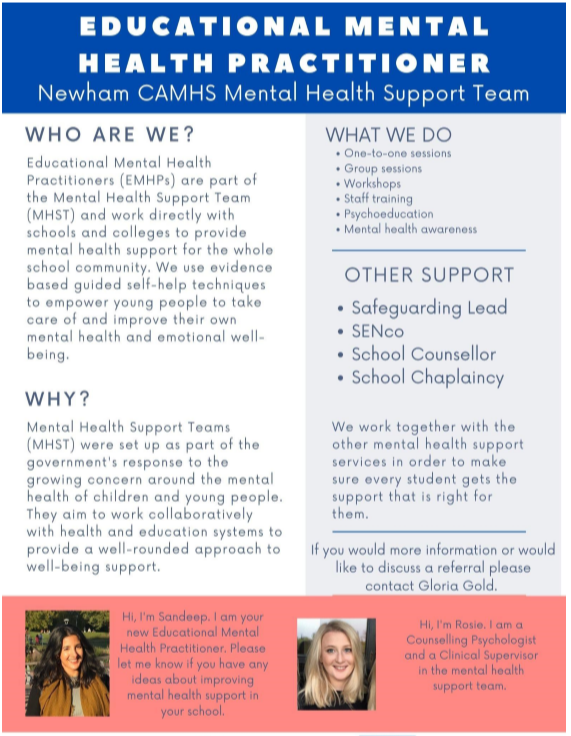
We are very fortunate to have hosted a Trainee Educational Mental Health Practitioner programme from April - July 2021.
Monthly wellbeing and safeguarding updates
Monthly wellbeing and safeguarding newsletters are shared with parents, and can be found here: Safeguarding Newsletters
Wellbeing Newsletter: October - November 2025 - Click here
Wellbeing Newsletter: December 2025 - March 2026 - Click here
Mental Health Champions
We have two trained Mental Health Champions, Carla Doak and Gloria Gold who work full time at the college.


Carla Doak Gloria Gold – Vice Principal
Learner Mental Health Ambassadors
A number of our Year 12 learners have had training through our partnerships with States of Mind https://www.statesofmind.org and are able to support our younger learners.
Staff Benefits at LDE UTC
Some of the staff benefits are listed here but this is not a fully comprehensive list, staff can access the full details and list using the link below
Advice and counselling service, Cycle2work scheme, Season Ticket Loan, on-site Parking, Discounted Gym, Staff wellbeing committee (SMILE) Multi-faith Chaplaincy, IT equipment loan, Personal Development, Catering offer and access to the LG Pension Scheme
LDE UTC Stakeholder Information
Wellbeing links
Wellbeing for Staff
LDE UTC Wellbeing Links for Staff
Wellbeing for learners
Learners' wellbeing padlet
External Support
External Mental health, wellbeing and safeguarding links:
Learner Mental Health and Wellbeing
https://youngminds.org.uk
https://www.headstartnewham.co.uk
https://www.mind.org.uk/information-support/for-children-and-young-people/
https://www.youngstonewall.org.uk
https://www.nhs.uk/mental-health/nhs-voluntary-charity-services/nhsservices/children-young-people-mental-health-services-cypmhs/
https://www.place2be.org.uk
https://www.nhs.uk/every-mind-matters/supporting-others/childrens-mental-health/
Staff Mental Health and Wellbeing
https://www.mentalhealth.org.uk
https://www.nhs.uk/mental-health/nhs-voluntary-charity-services/nhsservices/
https://www.mindful.org/meditation/mindfulness-getting-started/
https://www.elft.nhs.uk/Professionals/Information-for-ELFT-Staff/People-Culture/Staff-Wellbeing
Safeguarding
https://www.nspcc.org.uk
https://www.childline.org.uk